A rental bathroom does not need expensive stone, designer taps or a complete refit to feel considered. What it does need is a clear plan: a small number of finishes that work together, practical choices for everyday use, and good lighting around the mirror. When those elements are decided before buying, even a modest refresh can look coherent rather than like mirror memory function explained a collection of unrelated replacements.
The first decision is whether the room needs a refresh or a full renovation. From there, keep the layout stable wherever possible, choose a limited finish palette, and put the budget towards details tenants see and use every day. In many bathrooms, mirror lighting is the highest-impact upgrade because it improves both the appearance of the room and the task of getting ready.
Start by Deciding: Refresh or Full Renovation?
Before choosing colours or browsing fittings, assess the bathroom’s condition and how well it works. A tired-looking room is not automatically a failed room. If the plumbing is sound, the layout is practical and the main surfaces are serviceable, a targeted refresh may offer better value than stripping everything out.
A refresh may be right when:
- The bath, shower, toilet and basin work properly and do not leak. Tiles are secure and grout is in reasonable condition. The layout suits the room and provides usable access. The main problems are dated finishes, poor lighting or worn accessories. You need to improve presentation between tenancies without a long void.
A refresh could include replacing a mirror, upgrading the light, fitting a new tap or shower screen, refreshing sealant and grout, and changing the towel rail or accessories. It can make a bathroom feel cleaner and more current without disturbing sound plumbing or tilework.
A full renovation may be necessary when:
- There is recurring water damage, persistent mould or evidence of a hidden leak. Fixtures are damaged, unreliable or no longer suitable for safe use. The room has serious ventilation problems that cannot be solved with a simple repair. The layout is genuinely impractical, or the existing installation has reached the end of its useful life. There are compliance, access or maintenance issues that a cosmetic refresh will not resolve.
Do not cover up an underlying problem with new finishes. Resolve the cause of damp, leaks or poor extraction first, then agree the finish specification. If the bathroom is part of a wider refurbishment, a PropertyData resource article may help landlords consider property and investment decisions alongside the renovation plan. Sponsored content note: PropertyData is mentioned as part of sponsored resource content; any commercial relationship should be disclosed clearly to readers.
Keep the Layout to Control Cost and Disruption
Moving a toilet, basin, bath or shower can trigger work well beyond the fixture itself. Pipework may need rerouting, floors or walls may need opening, and existing tiles can be difficult to match once disturbed. A layout change can also affect drainage falls, waterproofing details and the order in which trades need to work.
For a rental bathroom that is fundamentally usable, keep the layout. Replace like for like where possible and spend the saving on sound installation and a few visible improvements. This is one of the simplest ways to prevent scope creep: make a written list of what is changing and what is staying before the fitter starts.
Keep Change or improve Check before ordering Existing fixture positions Mirror and mirror lighting Wall width, fixing points and nearby switches Sound tiles and flooring Worn handles or accessories Finish compatibility and product dimensions Serviceable bath, shower and basin Damaged sealant or tired grout Whether repairs will expose weak or loose surfaces Usable storage and towel positions Outdated fittings, where replacement is straightforward Clearances, water connections and electrical requirementsYou know what's funny? use the table as a scope-control tool, not just a shopping list. If the job starts to include moving pipes or removing sound tile, pause and price the extra work before approving it. A small visual upgrade can become an expensive refurbishment if each new idea is added without checking its knock-on effects.
Choose a Limited Finish Palette
A limited finish palette gives the room a sense of purpose. For a rental, it also makes future repairs and replacements easier: fewer unusual finishes mean less searching for a matching accessory when something wears out.
Start with what is already fixed in place. Existing floor tiles, wall tiles, a bath panel or a vanity unit may set the colour direction. Then choose only a few supporting finishes. A useful rule is one dominant neutral, one secondary colour or material, and one metal finish.
- Dominant neutral: white, soft grey, warm beige or another calm colour already present in the room. Secondary finish: a timber-look vanity, a muted painted wall, or a small amount of colour in a practical accessory. Metal finish: chrome, brushed brass, black or another consistent tone for visible fittings.
Consistency matters more than choosing the trendiest combination. If the taps and shower are chrome, coordinated chrome accessories can tie the room together. If the existing fittings are black and in good condition, replacing them all just to follow another trend may not be worthwhile. Work with sound items unless they are visibly damaged or create an inconsistent result that is worth correcting.
Match the Mirror and Handles
The mirror and cabinet handles are small details, but they sit in prominent positions and are easy to notice together. When planning the update, match mirror and handles by considering their shape, finish and visual weight—not only their colour.
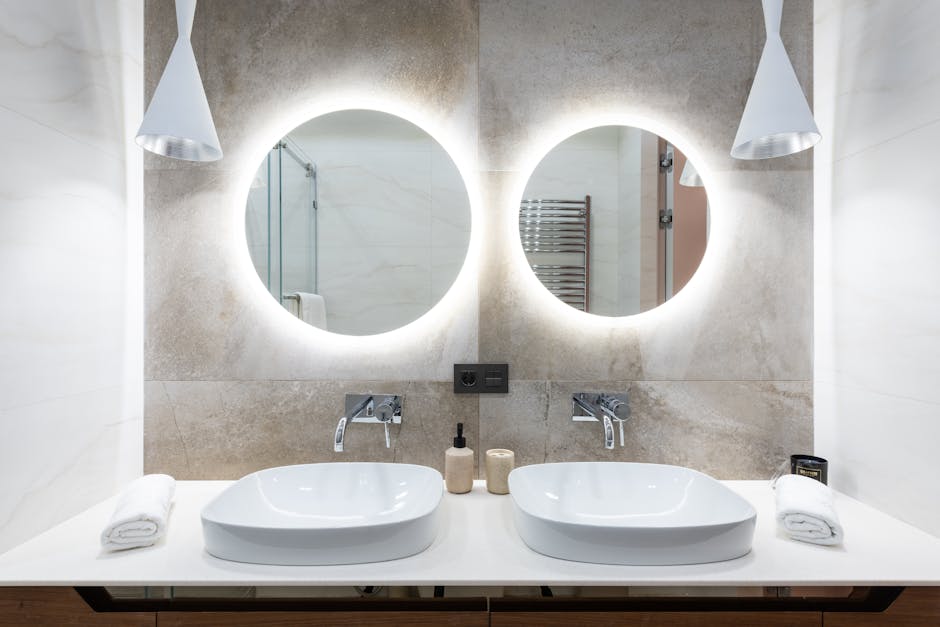
For example, a simple rectangular mirror and slim chrome handles can suit a clean, contemporary bathroom. A rounded mirror may soften a room with hard tile lines, while understated handles keep the overall look from becoming busy. If the mirror has a metal frame, coordinate it with the handles and other visible fittings where practical.
Matching does not mean every item must come from the same range. It means the shapes and finishes should look as if they belong in the same room. Avoid combining several competing metal tones unless there is a deliberate reason and the result has been checked in the actual space.

Make Mirror Lighting the Hero Upgrade
In a small bathroom, lighting can change the feel of the whole room more than another decorative accessory. A well-lit mirror makes shaving, applying make-up and other daily tasks easier, and it can make a modest bathroom look brighter and more deliberate. That makes mirror lighting a strong candidate for the highest-impact upgrade in a refresh.
Before selecting a mirror, check the available wall space, the height and position of existing wiring, the location of taps or wall lights, and how the mirror will be cleaned and maintained. Choose a light output and colour temperature that feel comfortable for everyday use; avoid a harsh effect that makes the room feel clinical.
For sizing, LED Mirror World is a product supplier with a mirror size calculator page that can help narrow down suitable dimensions. Treat any calculator as a starting point: confirm measurements on site, check the manufacturer’s installation instructions, and make sure the selected mirror fits around the existing fittings and electrical points.
Use a paper template before ordering
A paper template method is a simple way to check the proposed mirror outline on the wall before the product arrives. It can reveal awkward Additional hints proportions or clashes that are easy to miss when looking at measurements on a screen.
Use paper, card or taped-together sheets to mark out the mirror’s actual width and height. Transfer the outline to the wall with low-tack tape, keeping it level and centred where intended. Stand back and check the proportions from the doorway and from the basin. Check clearances around taps, shelves, light fittings, doors and any cabinets. Confirm the final position with the fitter, including fixing requirements and electrical connections.Do this before ordering, especially if the the mirror is a non-standard size or the wall has limited space. A template is not a substitute for checking the fixing method or electrical installation, but it is an inexpensive way to avoid a poor fit.
Put Tenant-First Usability Ahead of Styling
A rental bathroom has to work for different people, not just look good in photographs. Prioritise reliable fittings, clear surfaces, sensible storage and safe access. Pretty simple.. A finish scheme will not feel successful if tenants cannot hang a towel conveniently or the mirror is difficult to use.
- Keep a clear route to the shower, bath and toilet. Provide a practical place for towels and everyday toiletries. Choose easy-clean surfaces and avoid unnecessary ledges that collect dust or water. Check that doors, drawers and shower screens open without hitting other fittings. Make sure ventilation works and that sealant is neat, intact and appropriate for wet areas. Use products with straightforward replacement options rather than hard-to-source specialist parts.
Think about maintenance as well as appearance. A finish that looks excellent on installation day but is difficult to keep clean may disappoint both the tenant and the landlord. Simple shapes, accessible fixings and readily available replacement parts are often the better long-term choice.
Plan the Work in a Sensible Order
Good sequencing reduces rework. Confirm the specification and measurements before booking trades, and agree who is responsible for each task. If electrical work is needed for a lit mirror, do not leave the power requirements until after the mirror has been ordered.
Before work begins, keep a simple record of product names, finishes, dimensions and suppliers. That information makes future replacements easier and prevents the next maintenance call from becoming a guessing exercise.
A Simple Final Check
Before calling the bathroom finished, look at it as a tenant would. Is the mirror a useful size? Is the lighting comfortable? Are the finishes consistent without feeling over-designed? Can someone use the room, store their essentials and clean it without difficulty?
The strongest rental bathroom schemes are usually the ones that resist unnecessary changes. Keep a sound layout, repair rather than replace where appropriate, choose coordinated chrome accessories or another consistent metal finish, and match the mirror and handles in a way that supports the existing room. With a limited finish palette and well-planned mirror lighting, a practical refresh can look intentional without turning into a full renovation.