I still remember the first time a realtor friend of mine called me in a panic. She had a listing that was sitting cold on the market, and the sellers were pushing for a price cut. Her physical stager quoted her $1,800 just to fill the living room, dining area, and master bedroom. She didn't have the budget, and the sellers didn't have the patience. I stepped in, fired up a virtual staging platform, and we had the listing live with professional-grade furniture 24 hours later. We saved her client over a grand, and the house was under contract by the following Tuesday.
If you’re currently staring at an $1,800 staging quote, you’re likely wondering if you can bridge the gap with virtual alternatives. The short answer? Yes. The long answer? Only if you understand the nuances of lighting, shadow work, and the reality of how AI tools handle your source files.
The Cost Breakdown: Physical vs. Virtual Staging
Let’s talk numbers. When you pay $1,800 for physical staging, you are paying for logistics: rental fees, insurance, movers, designers, and the labor to haul furniture up three flights of stairs. Virtual staging removes the labor and the physical asset, trading it for software and digital artist time.

The market for virtual staging is vast, but the pricing is generally straightforward. For example, platforms like BoxBrownie typically charge between $32 and $48 per staged image. If you are staging five rooms, you’re looking at roughly $200—less than 15% of that initial physical staging quote.
Cost Comparison Table
Feature Physical Staging Virtual Staging Setup Cost $1,500 - $3,000+ $30 - $50 per image Timeline 3-7 Days 24-48 Hours Flexibility Locked in Unlimited styles Post-Sale Must move out NoneBefore you upload: The Golden Rule
Before you spend a dime on any platform, I have to ask: Did you reshoot the photo first?
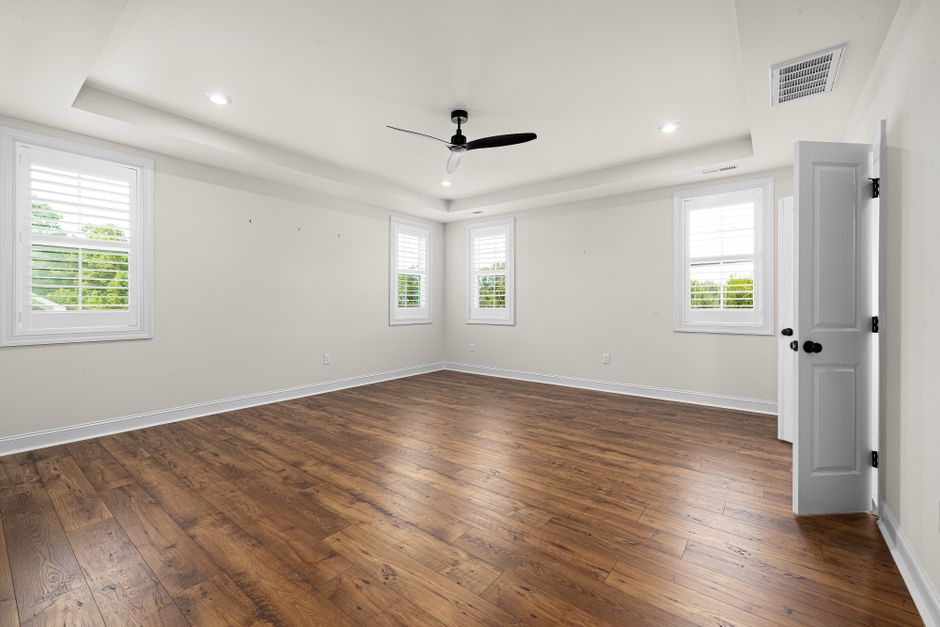
Seriously. I have seen countless agents attempt to use virtual staging as a "fix" for a low-resolution, poorly lit, wide-angle nightmare of a room. Virtual staging is not a magic wand. If your source LinkedIn headshots for agents photo is blurry, if the room is too dark to see the corners, or if the angle is so aggressive that the room looks distorted, no amount of digital mahogany furniture will make it look professional. If the photo is bad, the staged version will look like a glitchy video game from 2005. Take the time to get a clean, high-res shot with natural light before you hit "upload."
The Battle of Realism: Scale, Shadows, and Lighting
The biggest giveaway of "cheap" or "bad" virtual staging is a failure of physics. When I evaluate a platform, I’m looking for two things: do the shadows anchor the furniture to the floor, and is the furniture scale actually believable?
- Shadows: Poorly staged rooms look like the furniture is "floating" slightly above the floorboards. High-end providers (and good AI engines) account for the primary light source—usually a window—and cast soft, accurate shadows away from that point. Furniture Scale: This is a common failure point. I see AI-generated chairs that are the size of a king-sized bed, or sofas that look like miniature dollhouse furniture. If the scale isn't human-sized, the buyer subconsciously knows something is wrong, even if they can't articulate why.
The "Rooms That Break AI" List
In my 200+ hours of testing, I’ve found certain rooms that consistently produce poor virtual staging results. If your listing has these, proceed with caution:
Dark Rooms: Without a clear light source, the AI doesn't know where to place highlights. Narrow Kitchens: The perspective distortion in small kitchens makes placing island stools or dining sets look like a total disaster. Awkward Angles: If your lens is tilted or if the room has weird vaulted ceiling lines, the software often struggles to map the floor plane correctly.Turnaround Times and Listing Deadlines
This reminds me of something that happened wished they had known this beforehand.. In real estate, speed is your currency. If you have a weekend deadline, you cannot afford to wait for a physical stager to schedule their moving team.
Most modern virtual staging platforms operate on a 24 to 48-hour turnaround. Some even offer "rush" options that can hit your inbox in as little as 12 hours. When you are under a tight deadline, communicate this clearly with the provider. (note to self: check this later). Don't assume. If you submit at 5:00 PM on a Friday, don't expect a result until Monday morning unless you've confirmed their weekend workflow. 30 seconds is about how long it takes to upload your images—make sure you have your files ready and organized before you start the process.
Ethics: MLS Workflow and Disclosure Rules
We need to talk about disclosure. Because virtual staging is becoming the industry standard, MLS boards have become very strict about transparency.
You cannot just put a staged photo on the MLS and leave it at that. Most regions now require a clear disclaimer on the image itself, in the photo caption, or in the property description. Failure to disclose that a photo is virtually staged can lead to fines, grievances, and—in extreme cases—accusations of misrepresentation.
Best Practices for Compliance:
- Watermark the Image: Put a subtle "Virtually Staged" label in the corner of the photo. Use Side-by-Side Comparison: If possible, upload the empty room photo immediately following the staged version in your MLS listing. This builds trust with buyers. The Caption Rule: Always include the text "Virtually Staged" in the photo description field in the MLS dashboard.
Final Thoughts: Is the $1,800 savings worth it?
Is virtual staging a perfect replacement for the high-end, bespoke touch of a physical stager? Not always. For luxury listings where the sensory experience of walking through a home is crucial, physical staging remains king. However, for the vast majority of residential listings, the cost-effective staging route of virtual software is not just a "good enough" alternative—it is the smart financial play.
By saving that $1,800, you have more room to invest in high-quality professional photography, targeted social media ads, or staging for the rooms that truly need a focal point. Just remember: keep your source photos sharp, respect the laws of physics when checking for furniture scale, and always, always disclose your staging to the public.
Now, go check those photos. Are they worth staging, or do we need to reshoot first?