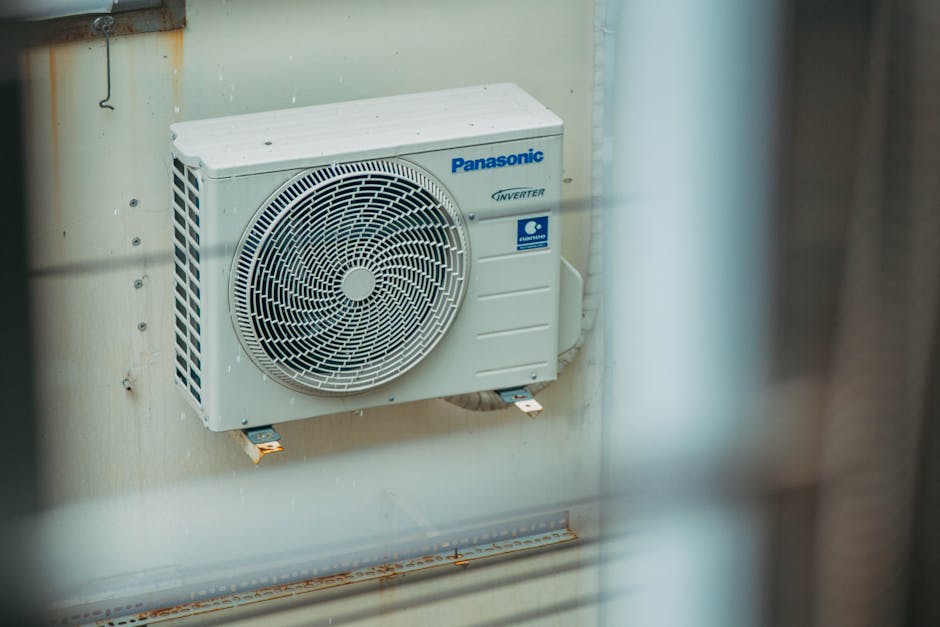
If you have been house hunting in St. George or anywhere across Washington County since 2011 like I have, you know the drill. When you step out of your car in July or August, the heat doesn't just greet you; it hits you like a physical weight. Here in Southern Utah, an air conditioning unit isn't just an appliance—it is a life-support system. When my clients are putting in an offer on a home, I tell them the same thing every single time: "Don't just look at the granite countertops; look at the condenser unit, and then let’s look at who’s going to fix it when it quits at 2:00 AM on a Sunday."
I have spent over a decade building a "shortlist" of tradespeople who actually show up when the thermometer hits 105°F. One of the biggest mistakes I see homebuyers make is skipping a professional HVAC inspection during the due diligence period. A seller’s disclosure might say "AC works fine," but in our desert climate, "works fine" is a relative term that often expires the moment the mercury rises.
Why You Need a Dedicated HVAC Inspection
A standard home inspection is fantastic for identifying major structural issues or plumbing leaks, but a general inspector is not an HVAC technician. They will test if the air feels cold, but they won't tell you that your compressor is pulling high amps or that your ductwork is suffering from significant desert heat gain. You need a specialized AC system condition report.
When I schedule these inspections, I am looking for three things: current health, remaining lifespan, and—most importantly—the technician's responsiveness to after-hours crises. I have a zero-tolerance policy bestutahrealestate.com for contractors who give me vague pricing with no scope or dodge my questions about emergency response windows.
The Essential HVAC Inspection Checklist
When you hire a pro to perform a pre-purchase inspection, here is what that HVAC inspection checklist should cover. If they aren't checking these items, they aren't working for you:
- Refrigerant Levels: In our heat, even a tiny leak can turn a functional system into a giant fan overnight. Capacitor Health: The #1 failure in Southern Utah. We check for signs of swelling or age because if this blows, you have no cooling. Period. Evaporator Coil Inspection: Because of the fine dust and sand in our air, these coils can get clogged, forcing the motor to work twice as hard. Drain Line Integrity: Algae and desert grime love our drain pans. A clogged line here means water damage to the home's interior. Ductwork Performance: We need to see if the insulation in the attic is keeping the cool air inside the ducts or if the house is cooling the attic instead. System Age and Serial Number Verification: Is it a 10-year-old unit that has lived through ten St. George summers? That’s like a car with 200,000 miles on it.
The Southern Utah "Desert Factor"
I cannot stress this enough: desert wear-and-tear on HVAC units is real. Our extreme temperature fluctuations cause seals to dry out, UV rays degrade wiring insulation, and the constant blowing fine dust acts like sandpaper on moving parts. If a unit is five years old here, it has worked significantly harder than a unit of the same age in a more temperate climate.
When you ask those homebuyer HVAC questions, don't be afraid to be specific. Ask the technician, "How much life does this unit have left given the extreme local heat load?" A good tech will give you a clear answer, not a sales pitch.
Contractor Spotlight: Who Actually Shows Up?
I keep a very close eye on which companies are family-owned and which are large, regional operations. Both have their place, but I prefer family-owned shops for their accountability. When the system dies at 3:00 AM in the middle of a July heatwave, you need a name you can trust, not a call center in another state.
Company Specialty/Notes Why I Keep Them on My List Element Plumbing, Heating & Air Highly technical, focus on quality installs. They are transparent about their service schedules and don't overpromise during peak heat. Dash Heating, Air, Plumbing & Electric Large operation, massive coverage area. Their size means they have more trucks on the road when demand spikes. Davis Air Tec Family-owned focus, great local reputation. They have a solid track record for after-hours urgency in the St. George area.I always ask these companies: "What is your emergency response window during August?" If they give me a vague answer about "next available," I keep digging. I want to know exactly what the process is for a homeowner who has no AC when it's 108°F outside.

Common Red Flags to Watch For
If you are in the middle of a purchase and the seller’s HVAC tech gives you a "clean bill of health" but refuses to provide a written report, walk away or demand a second opinion. I have seen contractors overpromise timelines during peak summer, only to have my clients wait weeks for a repair once they move in. Avoid contractors who:
Offer "flat rate" inspections without listing what is checked. Avoid talking about the age/expected remaining life of the compressor. Cannot explain their emergency/after-hours protocol. Try to upsell a new unit without documenting why the current one is failing.Final Thoughts for Buyers
Buying a home in Southern Utah is an incredible experience, but it requires a different set of eyes. Do not let the excitement of a beautiful view distract you from the mechanical reality of your HVAC unit. Treat the HVAC system as the heart of the home; if it stops, everything else in the house becomes impossible to enjoy.
For more home maintenance tips and my updated list of tradespeople, check out the Home Maintenance category on the Best Utah Real Estate site. I update it every time I find a technician who actually calls me back at 11:00 PM.
Did you find this helpful? Share this guide with a friend currently house hunting in St. George!
Share on Twitter | Share on Facebook | Share on LinkedIn