If you have been following the trends in BUILD Magazine or tracking the supply chain shifts of giants like Ford, you already know that Sonora has become the epicentre for North American nearshoring. The urgency is palpable. Manufacturers aren't asking for "fast turnarounds" anymore; they are asking for hard dates and realistic milestones.

When you are looking at a 50,000 sq ft facility in Northern Mexico, you are competing for speed against a backdrop of tight labour markets and rigorous regulatory requirements. If a developer tells you they can have you in a building in "a few weeks," run. They are ignoring the realities of permitting and MEP fit-out. Let’s break down the actual path to occupancy.
The Reality of the Timeline: Phases of a 50,000 Sq Ft Build
To reach occupancy in the shortest time possible, you cannot treat the project as a linear string of events. You must overlap your design, permitting, and fabrication. Here is the sanity check for a 50,000 sq ft industrial project in Sonora:
Phase Estimated Duration Critical Activity Site Due Diligence & Preliminary Design 4–6 Weeks Geotechnical reports & NMX compliance check Permitting (Licencia de Construcción) 8–12 Weeks Submission of architectural & structural plans Prefab Steel Fabrication (Off-site) 10–14 Weeks Concurrent with site prep Foundation & Slab Pouring 6–8 Weeks Anchorage and utility rough-ins Steel Erection & Shell Envelope 6–8 Weeks Weathertight building completion MEP Fit-out & Inspections 6–10 Weeks Final electrical, fire suppression, and HVACThe "3 to 5 Months" Prefab Steel Schedule
Achieving a 3 to 5 months prefab schedule for the structural shell is the gold standard for speed in Sonora. However, this is only possible if you choose prefab steel over tilt-up concrete.
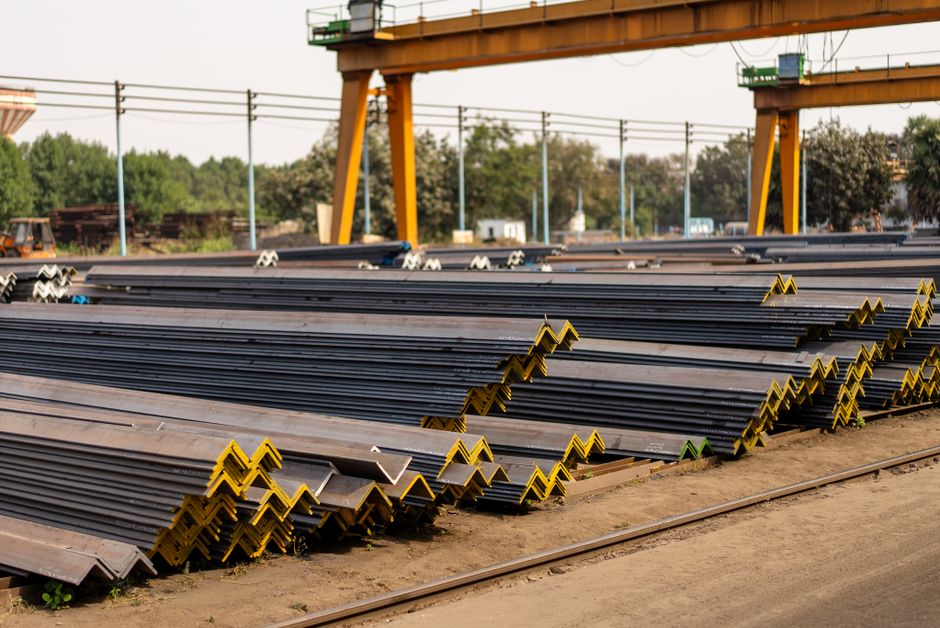
Prefabricated steel components are engineered and manufactured in parallel with your foundation work. While the site is being graded and the footings poured, your steel is being cut and punched at the factory. If you choose concrete tilt-up, you lose the ability to overlap these phases because you have to wait for the panels to be cast and cured on-site. For speed, steel wins every time.
Engineering for Sonora: NMX Compliance
Don't let a contractor tell you that "standard US specs" will suffice. Sonora sits in a seismic zone and experiences high-wind events that require strict adherence to Norma Mexicana (NMX) standards.
Failure to design for NMX wind loads will trigger a rejection at the municipal permitting office, effectively killing your schedule before you https://www.build-review.com/how-nearshoring-is-driving-demand-for-prefabricated-steel-warehouses-in-mexico/ even break ground. Your structural engineer needs to be well-versed in the specific seismic acceleration parameters for the site. If you are near the Union Pacific rail corridors or major logistics hubs, the soil conditions may vary; verify your geotechnical survey early to avoid last-minute foundation redesigns.
Industrial Specs That Actually Matter
Stop chasing "curb appeal" and focus on the technical specs that dictate your facility’s long-term utility:
- Clear Span: Avoid internal columns wherever possible. A 50,000 sq ft footprint should ideally be unobstructed to allow for future racking reconfigurations. Eave Height: Aim for a minimum of 32 feet clear height. Anything less limits your vertical storage capacity and makes the building obsolete for modern high-bay logistics. Crane Readiness: Even if you don't need a bridge crane today, spec the steel to support one. The cost to reinforce a roof structure later is triple the cost of doing it during initial fabrication. Floor Load Capacity: 500 lbs per sq ft is a standard baseline, but if you are handling heavy automotive parts or industrial machinery, push for 600-750 lbs.
The Cross-Border Coordination Factor
One of the biggest bottlenecks I see in my consulting work is communication lag. You have a US-based management team and a Mexican-based construction crew. Without effective project management tools and bilingual project documentation, your "fast path" will turn into a slog.
Every drawing, RFI (Request for Information), and change order must be available in both English and Spanish. When an issue arises on the job site—such as a conflict between a fire suppression line and a conduit run—you cannot afford a 48-hour delay while someone translates the blueprints. Your project management platform should track:
Real-time updates on long-lead material deliveries (HVAC units, electrical switchgear). Status of municipal permits and inspection sign-offs. A centralized repository for bilingual RFI logs.Permit and Fabrication Overlap: The Secret Weapon
The shell delivery timeline is almost always dictated by the "permit-fabrication bridge." Many developers wait for the permit to be fully stamped before they order the steel. That is a mistake.
While you should never order steel without preliminary structural approval, a smart contractor will engage the structural engineering firm to design the primary frames while the site permit is still in the review queue. By the time the permit arrives, the steel should be halfway through production. This requires a high-trust relationship with your fabricator and a deposit structure that accounts for material procurement costs upfront.
What You Should Expect to Pay (And What’s Included)
Avoid "all-in" quotes that don't delineate costs. If you are looking at a shell-only build versus a full turnkey, the price differences are massive. Ensure your contract clearly separates the following line items:
- Site Work & Utilities: Connection to the local grid, water, and waste management. Hard Costs: Prefab steel, roofing, insulation, and slab. Soft Costs: Engineering, permits, legal fees, and project management oversight. MEP Fit-out: HVAC, lighting, fire suppression, and data cabling.
If the quote includes the "building" but ignores the MEP and the municipal inspection fees, your budget will spiral once you hit the 80% completion mark.
Final Thoughts for Occupancy
Getting into a 50,000 sq ft facility in Sonora isn't about finding a "magic" contractor; it’s about rigid process control. Stick to the 3 to 5 months prefab schedule, demand NMX-compliant engineering from day one, and bridge the language gap with bilingual documentation. If you manage the overlaps between permitting and fabrication with the precision you’d expect from a Tier 1 automotive supplier, you will be operational before your competitors have even finished their site surveys.