If you’ve recently pulled your declarations page and noticed the dreaded jump from a 1 percent to a 2 percent wind and hail deductible, welcome to a story all too familiar for many Texas homeowners heading into the 2026 insurance season. You might be scratching your head, wondering why your deductible has doubled overnight and what this means for your out-of-pocket costs if hail or wind knocks shingles off your roof or cracks your windows.
In this deep dive, I’ll walk you through the reasons behind these increasing deductibles in North Texas insurance, explain the key factors that determine deductible amounts, and share actionable tips to protect yourself—especially around tricky issues like depreciation on older roofs and cosmetic damage exclusions.
Pull That Declarations Page First
Before calling your agent or contractor and getting overwhelmed by jargon or rushed quotes, stop and pull your declarations page. That little document holds the answers to a lot of questions: your msn policy limits, the exact type of deductibles you have, and sometimes even special endorsements or exclusions unique to your coverage.
FYI: homeowners often confuse the “all other perils” deductible with the wind and hail deductible, especially because the amounts and application rules differ drastically. Don’t miss this step in your review—having this page handy will save you stress and confusion later.
The Rise of Wind and Hail Deductibles: Why 2% Instead of 1%?
For years, many Texas policies boasted a 1 percent deductible for wind and hail damage, making out-of-pocket expenses relatively predictable. However, in the lead-up to 2026, many insurers are increasing this deductible to 2 percent—or even up to 3 percent—in response to a complex set of factors:
- Increased hail severity and frequency: North Texas has seen an uptick in powerful hailstorms causing extensive roofing damage, driving insurers’ loss costs up. Rising repair and replacement costs: Material and labor costs are climbing, and policies are adjusted to reflect these realities. Statewide insurance market stress: Carriers responding to underwriting losses are adjusting deductible formulas to manage risk.
Simply put, these higher deductibles shift more financial responsibility onto homeowners to help insurers keep policies affordable and available.
How Your Deductible Is Calculated: It’s Based on Dwelling Coverage, Not the Claim Size
Here’s an important point many homeowners miss: the wind and hail deductible isn’t a flat dollar amount picked by you or your insurer arbitrarily. Rather, it’s a percentage defined against your dwelling coverage amount—the amount listed on your declarations page under Coverage A.
For example, if your home’s dwelling coverage is $300,000:
Deductible Percent Deductible Amount 1% $3,000 2% $6,000 3% $9,000This means your deductible amount won’t vary based on the size of the actual damage in your claim, but always based on your dwelling limit, which usually reflects your estimated replacement cost. If you’ve got a 2 percent deductible, small $4,000 roof repairs still mean you’re paying out of pocket because your deductible could be $6,000.
This is why understanding your policy limits by reading the declarations page is vital—contractors or agents might quote repair costs, but that number is meaningless without knowing how your deductible calculation works.
Older Roofs and ACV Payouts: Depreciation Cuts Into Your Money
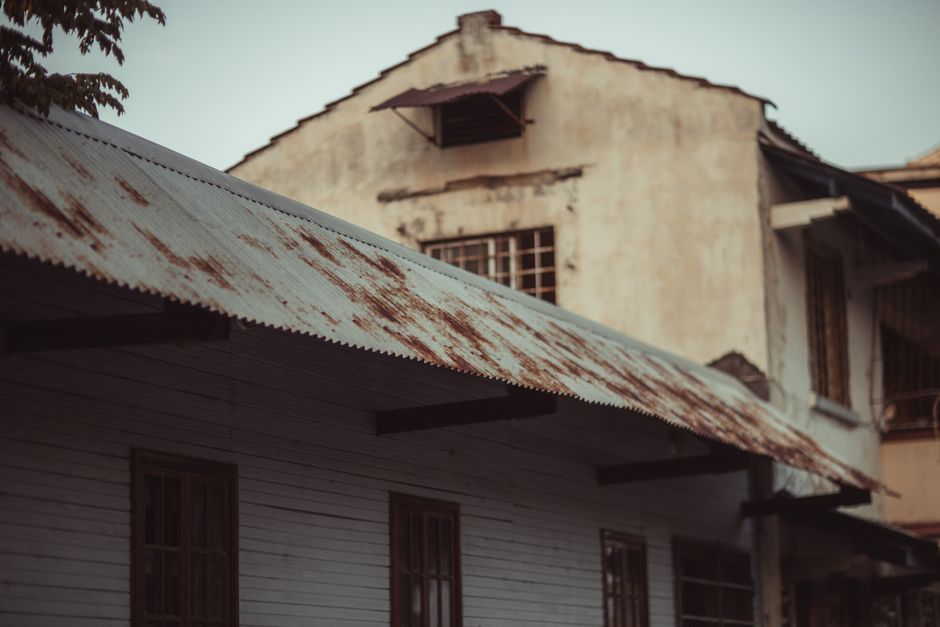
Ever noticed how insurance payouts on roofs older than 10—sometimes 15—years are often less than the contractor estimates? Many homeowners face a less-discussed challenge called the Actual Cash Value (ACV) method of settlement combined with depreciation.
What does this mean? Instead of paying for a full roof replacement right away, your insurer factors in age and wear. So a 12-year-old roof doesn’t get paid at full replacement cost but at ACV—which subtracts depreciation based on the roof’s expected lifespan.
This can leave you with a large gap to cover out of pocket if your roof is “older.” For example, a roof expected to last 20 years might be depreciated by 40% after 8 years, so your payout is reduced by that amount.
Helpful Tip: Keep Dated Photos of Your Roof Condition
I cannot stress how valuable dated photos are. If you’re proactive and archive photos every few years, you can challenge depreciation and show the roof was in better condition than the insurer might assume. Photos taken at time of purchase, remodeling, or before storms become powerful evidence during claim negotiations. These photos beat vague timelines that many contractors or insurers use to shrink payments.
Watch Out for Cosmetic Damage Exclusions and Metal Roof Issues
If you have a metal roof—or even composite shingles—you’ll want to check if your policy excludes coverage for cosmetic hail damage. Insurers often exclude or limit claims for dents or imperfections that don’t impact roof performance, focusing only on functional damage.
This exclusion can confuse homeowners who expect insurance to pay for every ding or dent after a hailstorm but find they only cover leaks or actual shingle loss. While it’s tempting to ask contractors to “cover it up” cosmetically, you need to understand what your insurer will pay for and what they won’t.
What to Do Next
Immediately pull your declarations page. Note your dwelling coverage limit and the exact wind and hail deductible percentage. Review your photos and document your roof’s condition. Gather dated pictures, receipts, and prior inspection reports if you have them. Be skeptical of contractors pushing for same-day signatures. I maintain a running list of “roof scam lines” to watch for, and high-pressure tactics are high on it. Compare your policy renewal carefully. See if your deductible increase was communicated in advance, and ask your agent for a breakdown. Know the difference between your wind/hail deductible and other-perils deductible. These are not interchangeable and have different dollar impacts. Consider roof maintenance and preventive measures. While not a guarantee, replacing an aging roof before damage happens can reduce depreciation pitfalls and claims hassles. Ask about endorsements or policy options. Some insurers offer policies with a flat dollar deductible instead of percentage-based deductibles but expect those to come at a premium cost.Final Thoughts
The jump from a 1 percent to a 2 (or even 3) percent wind and hail deductible in Texas is frustrating, but it stems from real risks and rising costs insurers face. Knowing that your deductible is based on your dwelling coverage, not the claim size, helps you plan better financially. Using dated photos can protect you from undue depreciation and ensure you get closer to a fair payout when your roof finally needs attention.
Most importantly, don’t rush into decisions—pull your declarations page, document everything carefully, and approach claims and contractors with a clear understanding of your policy language. Scams and confusion thrive when timelines are vague and documents unread, so be your roof’s best advocate and work smarter every step of the way.
Have questions or need help reading that declarations page? Drop a comment or reach out before storm season hits—you don’t want surprises when the hail starts flying.